
Decision
Mobile AI tower or a classic camera tower?
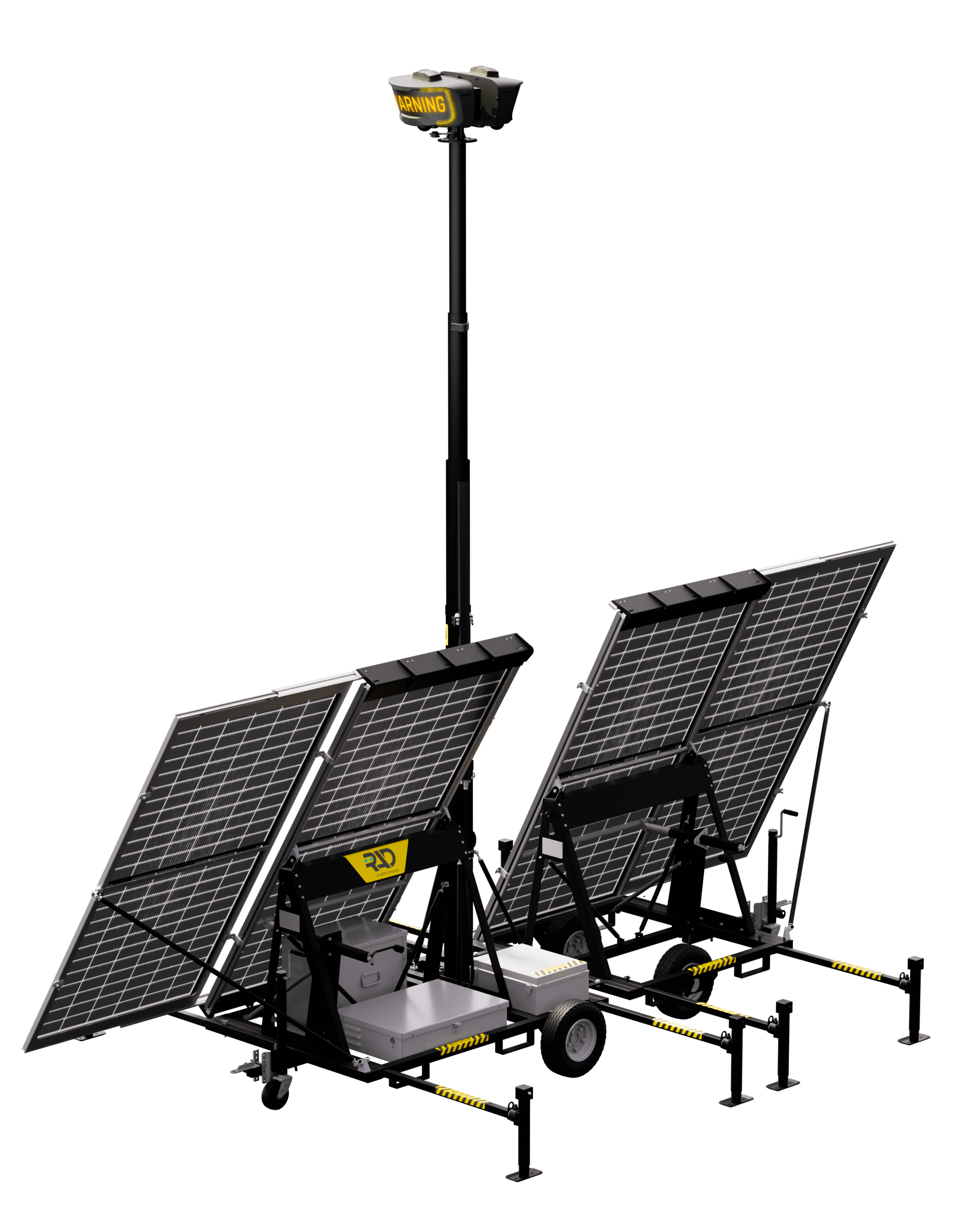
A camera tower gives height and picture. RIO gives defined zones, edge detection and a path from alert to resolution. AEGIS can deploy both – the question is what should happen after the pixel.
Video
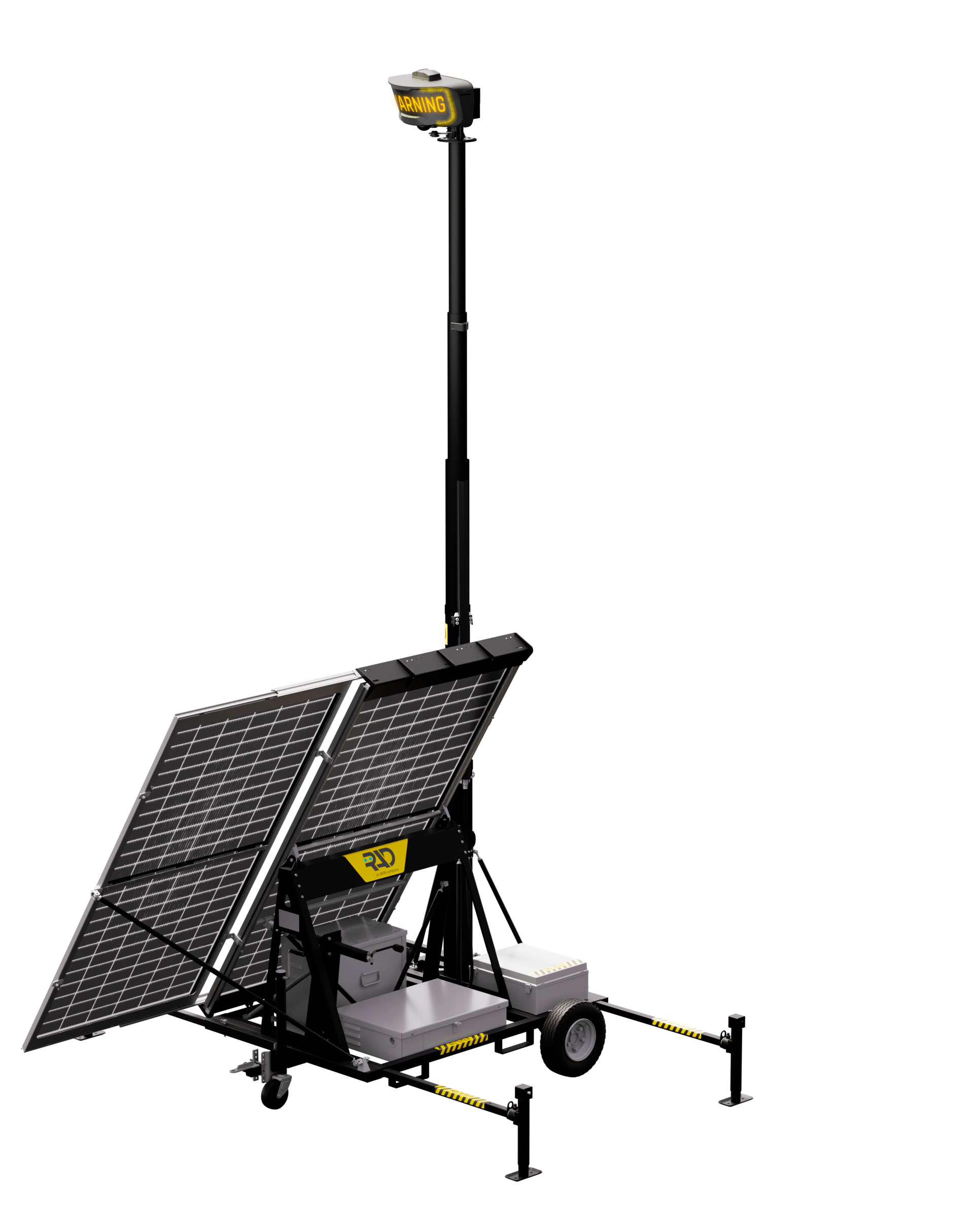
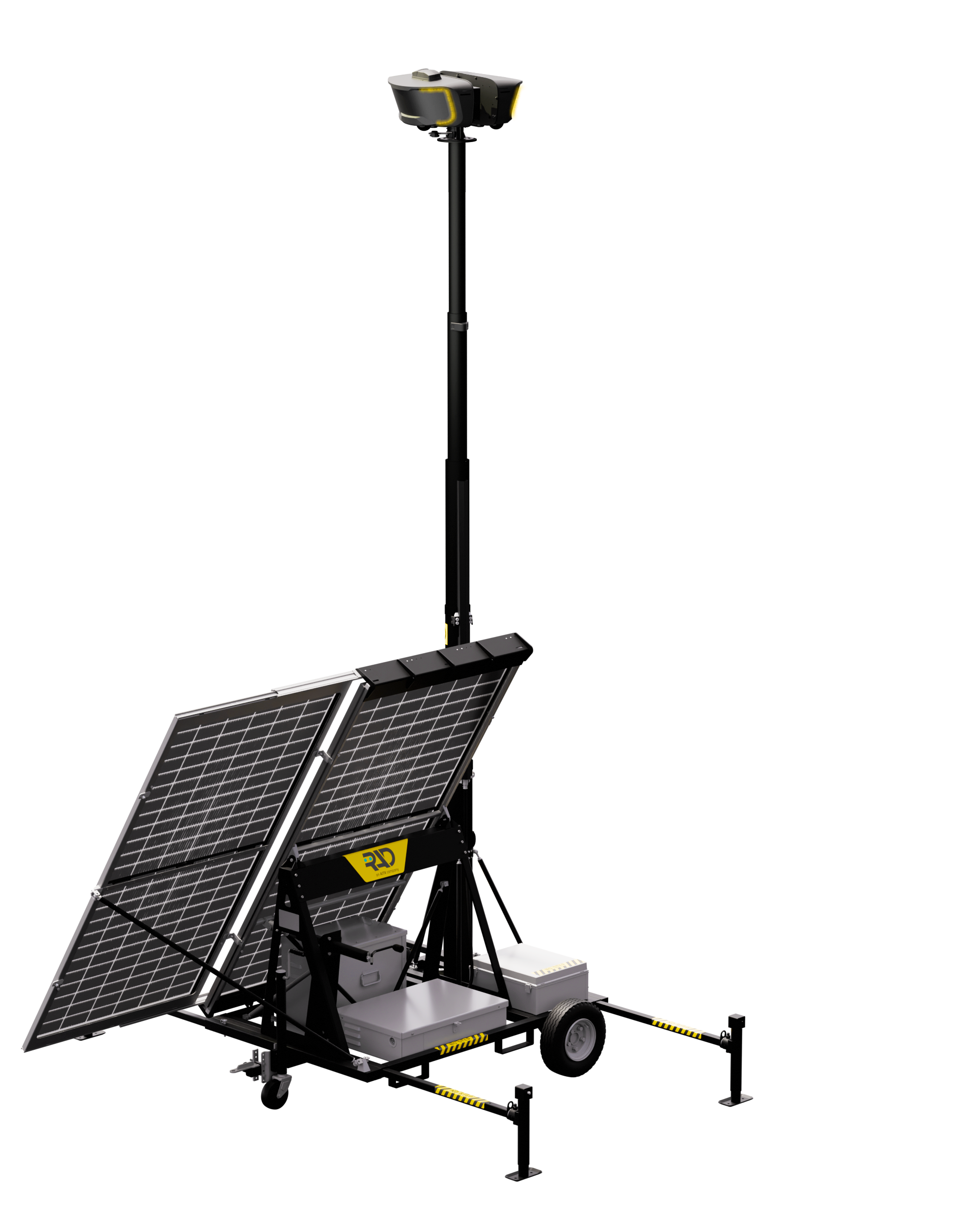
RIO 360 on a parking lot: detect and deter.
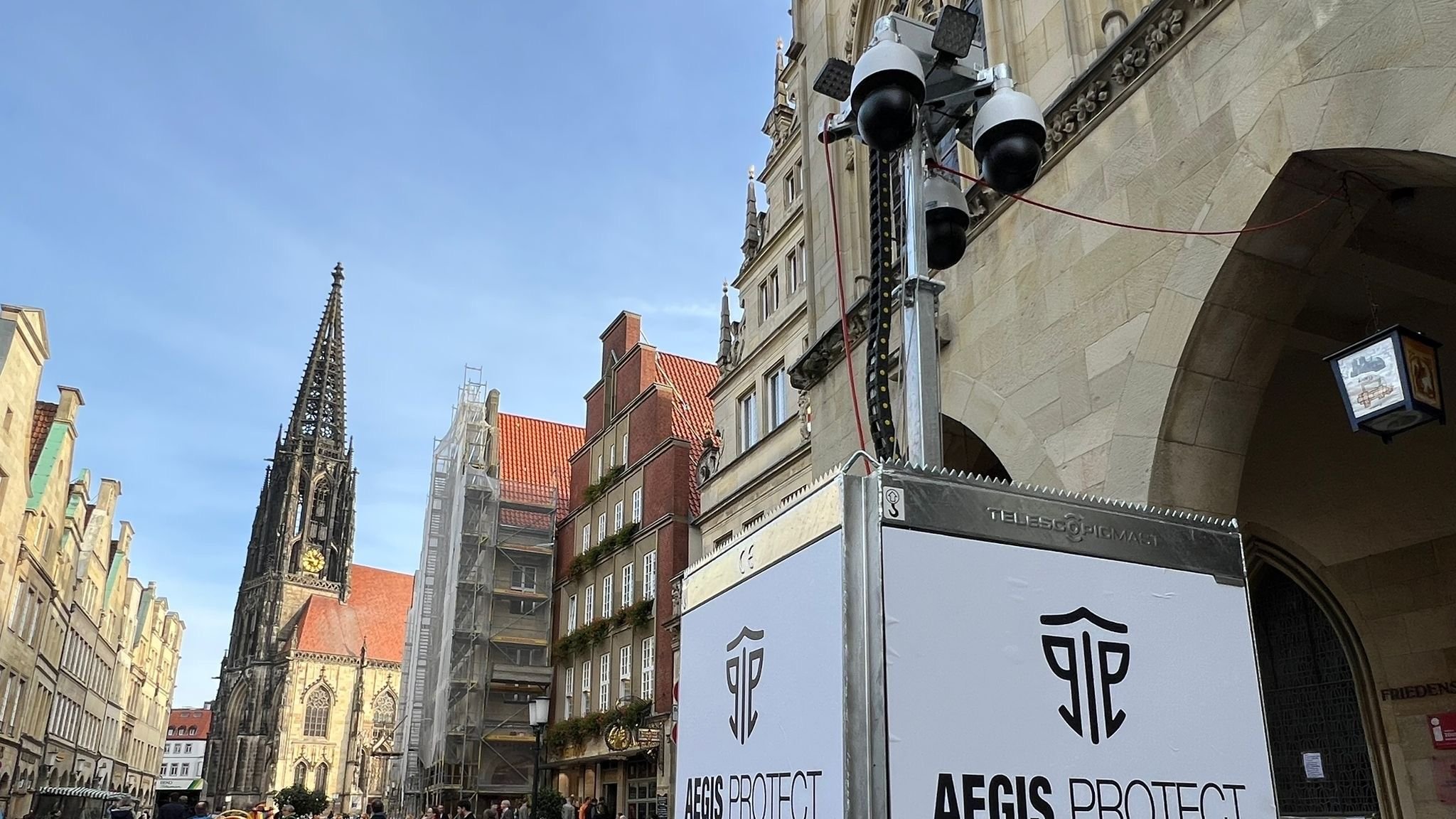
Classic towers are right when sight lines, construction phases and control-room monitoring are the goal. Sentinel and our tower fleet do exactly that: stand quickly, often off-grid, and have alarms assessed.
RIO goes further into autonomy: people, vehicles and objects in zones, deterrence on the device, orchestration through SARA. That pays off when false alarms bind staff or sites change so often that raw video review no longer scales.
Not every site needs Physical AI in a tower. A KRITIS construction site with a clean perimeter is often better served by autonomous detection plus the ARC. A logistics yard with constantly new slots may gain more from zoned AI.
So we compare the ground in the call, not the product names. AEGIS runs both and will say when the cheaper tower is enough.
In the field
| Criterion | Conventional | Autonomous with AEGIS |
|---|---|---|
| Job | See, record, monitor | Detect, speak, document |
| Alarm | Often motion or zone alarm | Object classes plus SARA verification |
| Deploy | Hours to a few days | Mobile, solar, directional or 360° variants |
| AEGIS operations | ARC, intervention, phasing | Same operations plus an Agentic AI process |
Mobile AI tower or a classic camera tower?
- Changing yards, events, temporary high-value ground
- When classic towers generate too many non-events
- When deterrence should happen at the edge, not only in the control room
Technology meets
operational security.
AEGIS Protect connects modern security technology with operational security processes – from security automation to incident reporting. Together we analyse the environment, risks and existing infrastructure and develop a matching security concept.
Or call us directly:
Questions before you enquire.
- It complements them. Autonomous systems take detection, verification and documented escalation. People stay where judgement, de-escalation or intervention is required. Whether headcount can drop depends on the site and the operating model – not the brochure.
- After verification comes the agreed path: talk-down, internal escalation or intervention. AEGIS can run that through our own control room and intervention services. Without that second step every camera is just an alarm generator.
- Video and audio must match the purpose, signage and retention period. We settle that before go-live: who sees what, for how long, and which talk-down is even lawful. No system goes live without that alignment.
- RIO is built for changing and often off-grid sites (solar, mobile data, defined zones). AVA needs power at the lane and can continue locally if the WAN drops. Winter, snow and sight lines belong in the site survey – they are an operations question, not a slogan.
- There is no list price. Effort depends on area, number of systems, control-room connection and the intervention you want. In the first call we decide whether a pilot, a temporary site or a standing operation makes sense.
- Both. Operators review the site with us. Security companies can offer software and systems through us and stay the contact for their own customers. That path starts with a partner conversation, not the product form.